
How Often Does a Septic Tank Need Pumping?
Every 3 to 5 years for a standard 1,000 gallon residential tank, and that range moves based on how many people live in the house and how big the tank actually is. A single-person household on a large tank might stretch past 5 years, and if you want the math behind sizing, how many porta potties do I need covers similar per-person planning logic for portable units. A full house with a garbage disposal running daily will hit the low end of that range, maybe sooner, similar to how a busy construction dumpster rental fills faster than a light-duty one. Escondido Porta Pros checks scum and sludge layers at every visit and tells you honestly when to book the next one, rather than guessing. If you are unsure where your tank falls, septic tank warning signs is worth reading before you call. Commercial kitchens run on a different clock entirely: a grease interceptor needs pumping once fats, oils, grease and solids reach 25 percent of the liquid depth, which can happen in weeks, not years, depending on volume. See grease trap pumping for that side of things. For homes near Escondido without full sewer access, or properties out toward Del Dios and Harmony Grove still running on septic, a set schedule beats waiting for a problem. We also handle holding tank rental for sites with no septic system at all, the same way we cover portable restroom rental for events with no plumbing to tap into.
What Are the Warning Signs a Tank Needs Pumping Now?
Slow drains, gurgling pipes, standing water near the drain field, and a sewage smell in the yard all mean call now, not next month. Escondido Porta Pros treats these as urgent because a tank that backs up into the house costs a lot more to fix than a scheduled pump-out ever does. Sinks and tubs draining slowly in more than one part of the house is a strong early signal, especially if it happens right after heavy laundry or dishwasher use. Bright green grass in one patch over the drain field, even in dry Escondido summers, often means effluent is surfacing where it shouldn't, and it's worth a look at septic tank pumping cost to budget the fix before it spreads. If you're catching any of this, septic tank warning signs covers the full list, and emergency septic service is the faster path if the tank is already backing up. Don't wait on a routine booking once sewage backs into a fixture, the same urgency that applies to a disaster relief sanitation call after a site loses working plumbing entirely. That's a same-day call, and Escondido Porta Pros prioritizes those over standard scheduling.
What Does a Septic Pumping Service Include?
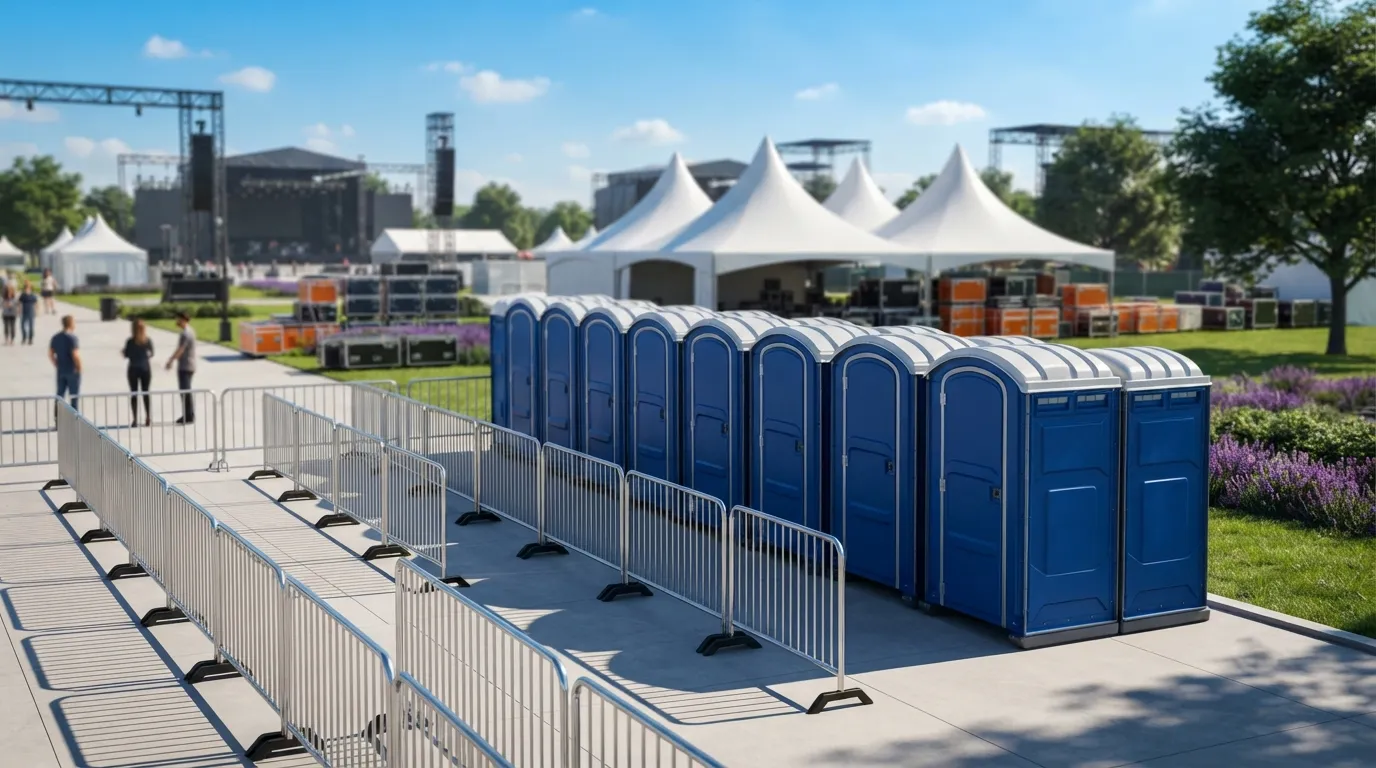
A full pumping visit means locating and uncovering the access lid, pumping the tank completely, checking baffles and the outlet, and a quick look at the drain field for obvious trouble. Escondido Porta Pros vacuums out all liquid and solid waste through a hose truck, not a partial skim, because a partial pump-out just buys you a few extra months before the same problem comes back worse. The crew checks the inlet and outlet baffles for cracks or blockage since a damaged baffle is one of the most common causes of early failure between pumpings. If the tank has never been mapped or the lid is buried, expect a little extra time for locating it, much like a roll-off dumpster rental delivery needs clear access before the truck can even set the box. Related services worth knowing about: septic tank cleaning if you want a more thorough interior scrub alongside the pump-out, and how often to pump a septic tank if you're building a maintenance schedule instead of reacting to problems. Commercial properties in Escondido with interceptors instead of standard tanks should look at grease trap pumping since the service and interval are different, and kitchens running events off-site may also need event restroom rental alongside their interceptor schedule.
How Much Does Septic Tank Pumping Cost?
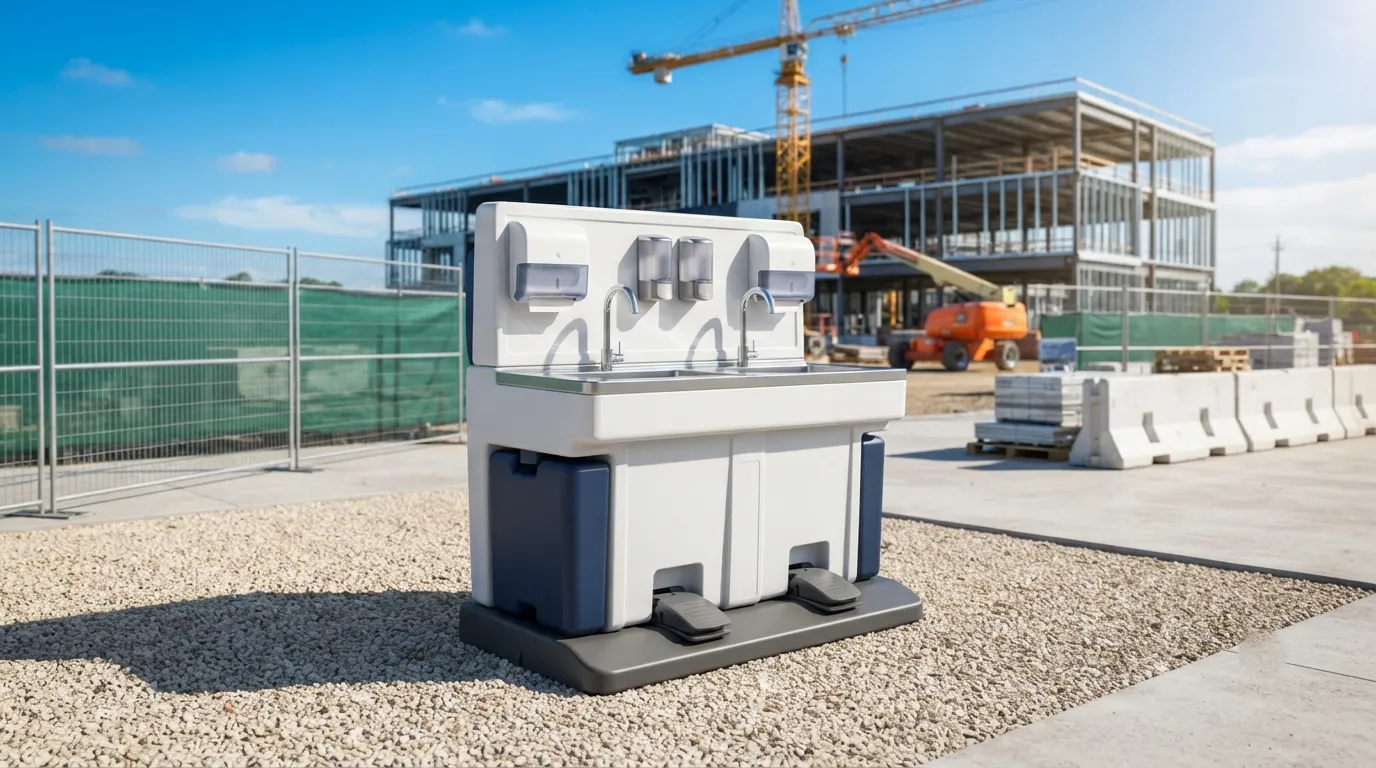
Septic pumping runs $150 to $300 for a day-rate service call, with a weekend rate between $50 and $150 depending on tank access and how much waste needs removing. Cost moves based on tank size, how hard the lid is to reach, and whether it's a routine pump-out or an emergency response, the same variables that shift pricing on a porta potty rental cost quote.
| service | duration | typical range |
|---|---|---|
| septic pumping | day | $150 - $300 |
| septic pumping | weekend | $50 - $150 |
A 1,000 gallon tank at the low end of buildup costs less to pump than one that's been neglected for 6 or 7 years and packed with solids. Buried or hard-to-reach lids add time, since the crew has to dig before pumping even starts, similar to how temporary fence rental placement can take longer on a site with tight or obstructed access. Escondido Porta Pros quotes the job after a quick look, not off a phone guess, because tank size and access vary house to house even on the same street. For a broader comparison across all our septic and portable sanitation pricing, septic tank pumping cost breaks it down by scenario, and request a quote gets you a number specific to your property.
Do You Offer Holding Tank Service for Sites Without Septic?
Yes, Escondido Porta Pros rents and services holding tanks for construction sites, remote properties, and events that have no septic hookup at all. A holding tank just stores waste until it's pumped out, so the service interval depends entirely on usage volume rather than a fixed calendar schedule. This is common on job sites still waiting for utility connections, or rural parcels out near Valley Center and Hidden Meadows that aren't tied into municipal sewer, the kind of setup that often also needs a mobile office trailer rental and temporary power pole on the same lot. ANSI/PSAI Z4.3 sets a baseline service interval of once weekly for up to 10 users across a 40 hour week, which is a useful starting point for scheduling pump-outs on a holding tank under steady use. Heavier use sites need more frequent visits, the way a large crew on 40 yard dumpster rental debris volume needs more frequent swaps than a small remodel. See holding tank rental for setup details, and if you're weighing a holding tank against portable restrooms with built-in tanks, portable toilet rental and standard porta potty rental cover that alternative. Construction crews juggling several sanitation needs at once should also look at construction site services.

What Happens in an Emergency Septic Backup?
A backed-up septic tank gets a same-week response from Escondido Porta Pros, and calls involving sewage inside the house or pooling in the yard get bumped to the front of the line. The crew shows up, pumps the tank, checks whether the drain field is the actual problem or just the tank being full, and gets water flowing again before diagnosing anything long-term, the same fast-response mindset behind our emergency porta potty rental dispatches. Emergency calls typically cost more than a scheduled pump-out because of the rushed timing and after-hours labor, so if you can catch the warning signs early, a routine appointment saves money. Emergency septic service has the details on response and what to expect on arrival. If your property runs on a holding tank instead of a septic system, emergency porta potty rental covers similar urgent turnaround for portable sanitation. Escondido homeowners dealing with a first-time backup should also check septic tank warning signs so the next one doesn't reach emergency status at all.
Frequently Asked Questions
How much does 1000 gallon septic tank pumping cost?
Septic pumping for a standard 1,000 gallon tank falls in the $150 to $300 day-rate range, with cost shaped by lid access, buildup level, and whether it's routine or urgent. A weekend appointment runs $50 to $150. Escondido Porta Pros quotes after a quick site look since access varies house to house.
How do I know if my septic tank is full?
Slow drains, gurgling pipes, sewage smell outdoors, and standing water near the drain field are the clearest signs. A 1,000 gallon tank typically needs pumping every 3 to 5 years. See septic tank warning signs for the full list before scheduling.
Can I pump my own septic tank?
It's not recommended without proper equipment, since a partial pump misses solids and baffle damage goes unnoticed. Escondido Porta Pros uses a hose truck to fully evacuate the tank and checks the inlet and outlet baffles during the same visit.
What is the difference between septic pumping and cleaning?
Pumping removes liquid and solid waste from the tank. Cleaning goes further, scrubbing interior walls and baffles for a more thorough service. Most households only need pumping every 3 to 5 years; septic tank cleaning covers when the deeper option makes sense.
Do you service grease traps too?
Yes. Grease interceptors need pumping once fats, oils, grease and solids hit 25 percent of the liquid depth, which happens much faster than a residential tank fills. Escondido restaurants and commercial kitchens should check grease trap pumping for interval guidance.
What if I don't have a septic system at all?
Escondido Porta Pros rents holding tanks for sites with no sewer or septic connection, common on construction jobs and rural properties. Service interval depends on usage, following the ANSI/PSAI Z4.3 baseline. Details are on holding tank rental.
Next step
Get a delivery date
Tell us the address, the dates and the headcount. We size the order and confirm the route.